
leave a message
If you are interested in our products and want to know more details,please leave a message here,we will reply you as soon as we can.

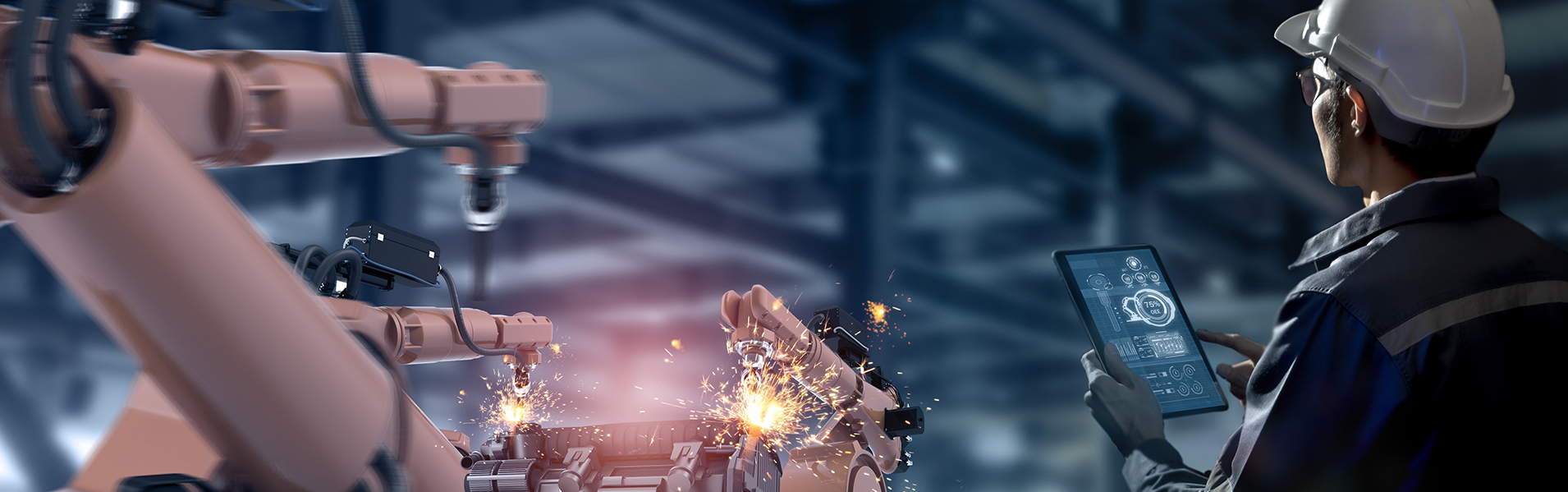
Investing in a high-output SPC flooring production line is a major decision for flooring manufacturers. A line with a high quoted capacity may look attractive, but the actual production result depends on more than the extruder. Feeding, extrusion, calendering, lamination, cooling, cutting, stacking, and factory utilities all need to work together.
Before choosing a supplier, buyers should define their product range, expected output, available factory space, labor arrangements, and future expansion plans. They should then check whether the proposed equipment configuration can meet those requirements under realistic production conditions.
This guide explains the main points to review before investing in an industrial SPC flooring machine and how to compare suppliers more effectively.
The first step is to define the flooring products the factory intends to produce. SPC flooring sheets can vary in width, thickness, structure, decorative film, and wear-layer requirements. These differences affect the equipment configuration and the production speed that can be achieved.
Before requesting a quotation, prepare the main product specifications:
These details help the supplier recommend a suitable SPC PVC flooring sheet extrusion line instead of quoting a general-purpose configuration that may not fit the factory's actual production plan.
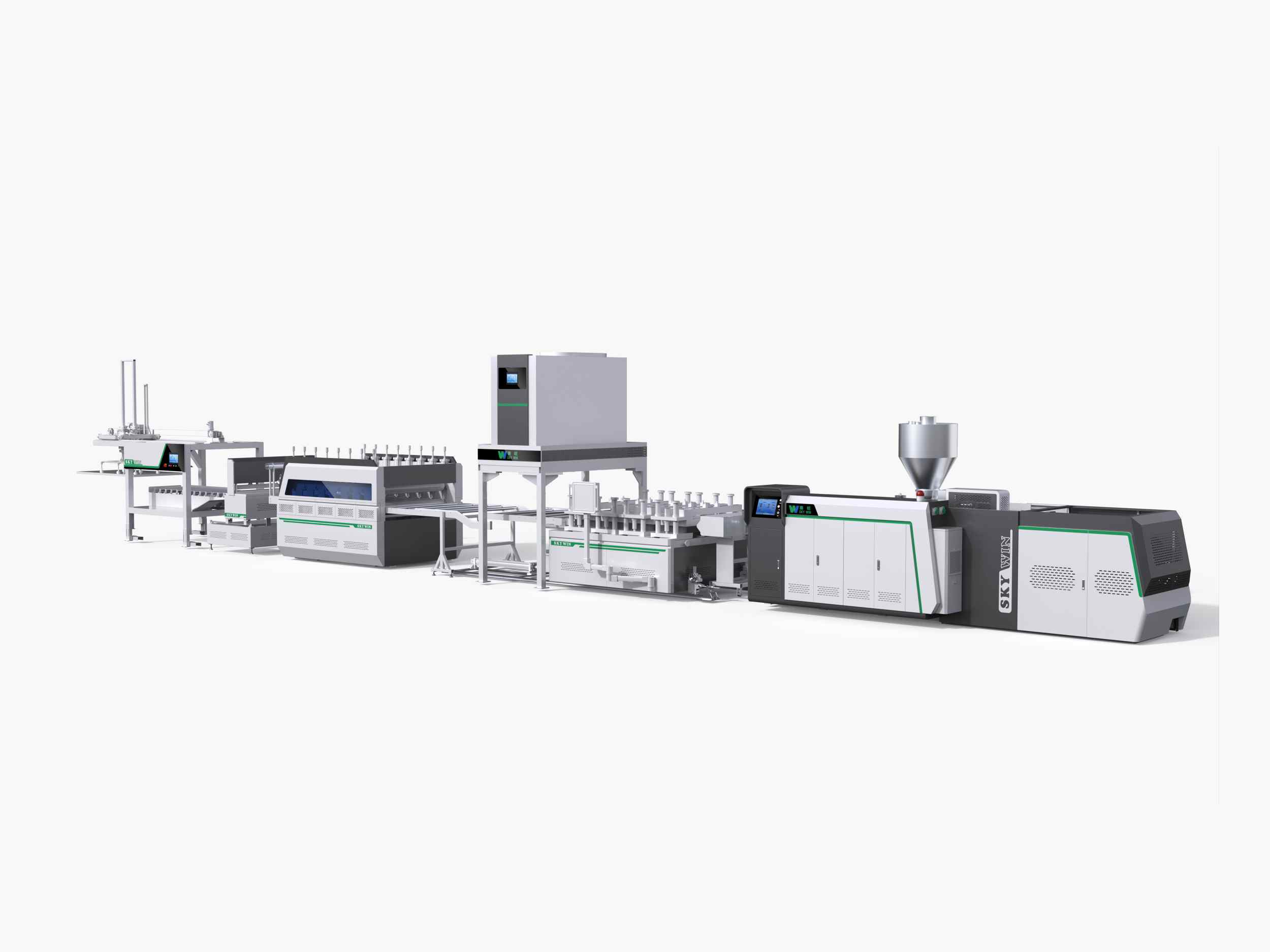
Capacity is one of the most important specifications when purchasing an SPC flooring production line. However, a capacity figure is only useful when the test conditions are clear.
Actual output can vary according to sheet width, thickness, material formula, calcium carbonate content, screw configuration, line speed, and the capacity of downstream equipment. A machine may achieve a higher output with one product specification than with another.
When comparing capacity claims, ask the supplier to provide:
Do not compare a daily output estimate from one configuration directly with an hourly capacity figure from another. Ask the manufacturer to explain the calculation and confirm the expected output for the products you intend to manufacture.
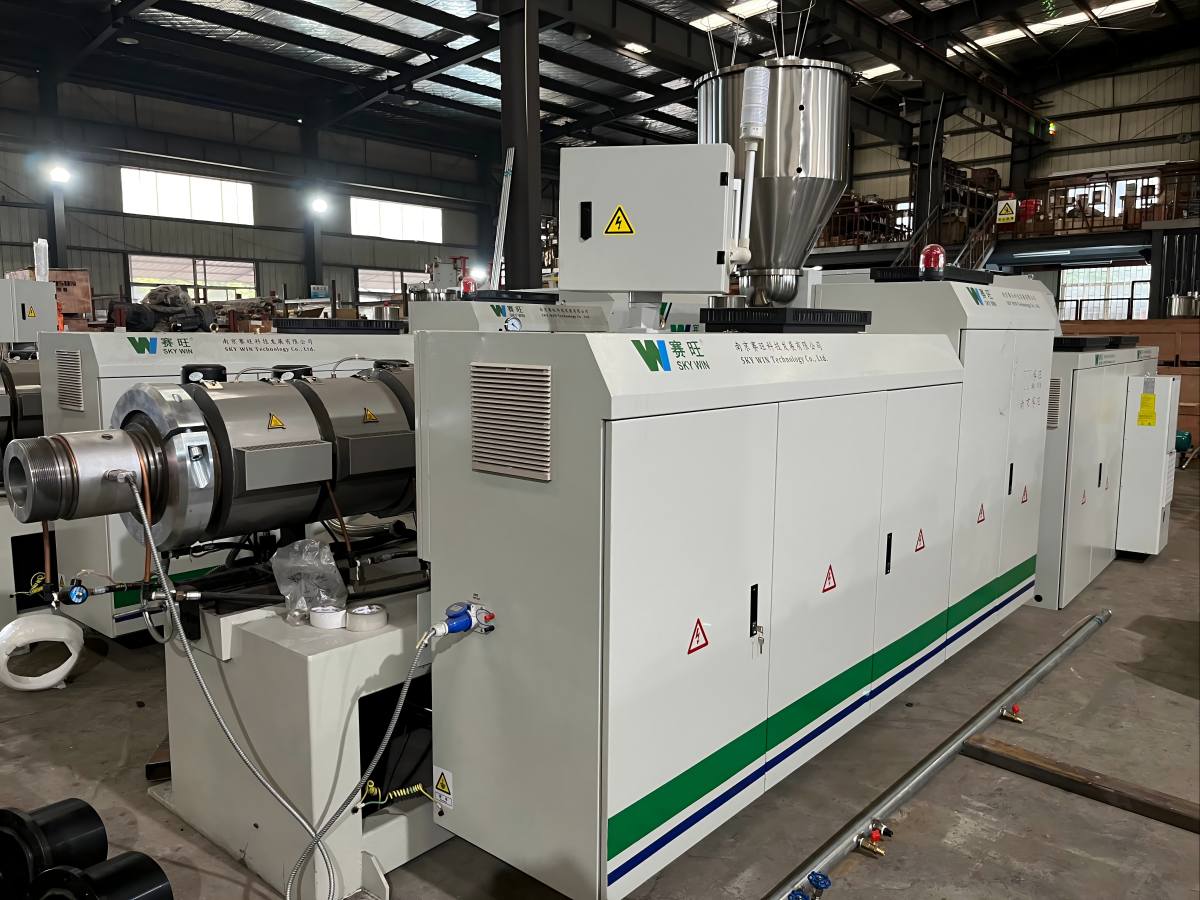
The extruder is the core of an SPC flooring production line, but its performance depends on the feeding and transmission systems around it. Stable feeding helps maintain a consistent material supply, while the screw and barrel determine how the compound is conveyed and plasticized.
Buyers should review the feeding screw design, adjustment method, screw and barrel materials, and compatibility with the intended SPC formulation. The gearbox should also be checked for housing construction, gear processing, load capacity, lubrication, and maintenance access.
The equipment comparison provided for this project identifies QT500 ductile iron for the gearbox and distribution box housing. Buyers should request the detailed technical specification and confirm that the selected gearbox is matched to the motor and expected operating load.
Temperature control is essential when processing SPC compounds. The heating system should maintain suitable conditions across the processing zones, while the die needs to distribute the melt evenly across the required sheet width.
The equipment configuration comparison identifies remote infrared heating and a coat-hanger die. These are useful items to review, but buyers should also ask how the temperature zones are controlled, how the die flow channel is designed, and how operators make adjustments during production.
For a wide SPC sheet, uneven melt distribution can cause thickness differences or unstable edges. A production test should therefore include measurements at multiple positions across the sheet width.
The calendering section controls the sheet after it leaves the die. Roller alignment, surface finish, temperature control, and frame rigidity influence thickness and surface quality. A five-roll calender is listed in the equipment comparison, but buyers should confirm the actual roller arrangement and specifications for the proposed line.
If the finished flooring requires a decorative film and wear layer, the lamination section also needs careful review. Check whether the line includes preheating rollers, film guiding, pressure adjustment, and a suitable alignment system.
A dual-camera visual alignment system with servo control can help monitor film positioning. However, buyers should not treat a stated alignment tolerance as a guaranteed production result without a test. Ask the supplier to demonstrate the system using the intended film and sheet specifications.
A high-output extruder cannot deliver its full production potential if downstream equipment becomes a bottleneck. Cooling, cutting, and stacking must be able to handle the sheet as it leaves the upstream sections.
Buyers should check the cooling capacity, conveying speed, cutting method, cutting cycle, and stacking arrangement. If the cutter cannot keep up with the line, production may need to slow down or stop. If stacking is not properly coordinated, finished sheets may accumulate and require additional manual handling.
The equipment comparison includes high-speed pneumatic cutting and robot stacking as downstream options. Ask whether these units are included in the quotation, what product sizes they support, and how their operating speed is matched to the extrusion line.
Automation affects operating consistency, production monitoring, and the amount of manual intervention required. Buyers should understand which processes are controlled automatically and which still require operator adjustment.
The equipment comparison lists Siemens or Delta PLC options and ABB or Delta variable-frequency drives. The exact brands and models should be confirmed in the technical proposal. It is also useful to check the control interface, alarm functions, parameter storage, safety interlocks, and troubleshooting support.
Ask the supplier to explain how operators control feeding, temperature, screw speed, calendering, cutting, and stacking from the control system. A clear operating process can reduce training time and make daily production easier to manage.
Before ordering a high-output SPC flooring production line, confirm that the factory can accommodate the complete equipment layout. The required space includes not only the main extrusion machine but also material preparation, feeding, calendering, lamination, cooling, cutting, stacking, and finished-product handling.
Power supply is another important point. Ask for the total installed power, normal operating power where available, voltage and frequency requirements, and the electrical load of auxiliary equipment. The factory should also prepare the necessary cooling water, ventilation, compressed air, and material storage arrangements according to the supplier's technical documents.
A layout review before shipment can help identify space conflicts and reduce installation delays. Buyers should request an equipment layout drawing and confirm the dimensions and maintenance access requirements of each section.
Machine quality is important, but installation, commissioning, operator training, and spare parts support also affect the long-term value of the investment. A production line may require adjustment after installation, especially when the factory starts using its own material formula and product specifications.
Before signing the contract, clarify the following points:
SKY WIN has been engaged in SPC and WPC extrusion equipment manufacturing since 2004. Buyers can review its SPC, LVT, and WPC flooring project experience as part of their supplier evaluation, while also asking for references that match their intended product and production scale.
Before making the final decision, buyers can use the following checklist to compare quotations and technical proposals on the same basis.
For buyers comparing different machine configurations, the SKY WIN product range provides a starting point for reviewing available extrusion equipment. The final configuration should be based on the factory's product specifications and verified production requirements.
Start with the product specifications and required output. Define sheet width, thickness, material formula, wear-layer requirements, and production volume. These details help determine the suitable extruder and downstream equipment configuration.
Ask the supplier to provide test results with the material formula, filler ratio, sheet width, thickness, line speed, and test duration. Confirm whether the stated capacity refers to the extruder or the complete production line.
Cooling, cutting, and stacking must keep pace with the extrusion process. If downstream equipment cannot handle the output, the complete line may need to operate below the extruder's potential capacity.
Requirements depend on the line configuration. Buyers generally need to confirm electrical capacity, cooling water, compressed air, ventilation, material storage, and sufficient floor space. The equipment supplier should provide the detailed utility requirements.
Buyers should clarify installation, commissioning, operator training, spare parts, warranty coverage, remote technical support, and troubleshooting arrangements before signing the contract.
No.18,Huixin Rd.,Yangtze River Dev.Zone,Nanjing 211505China



 IPv6 network supported.
leave a message
Scan to Wechat :

Scan to WhatsApp :